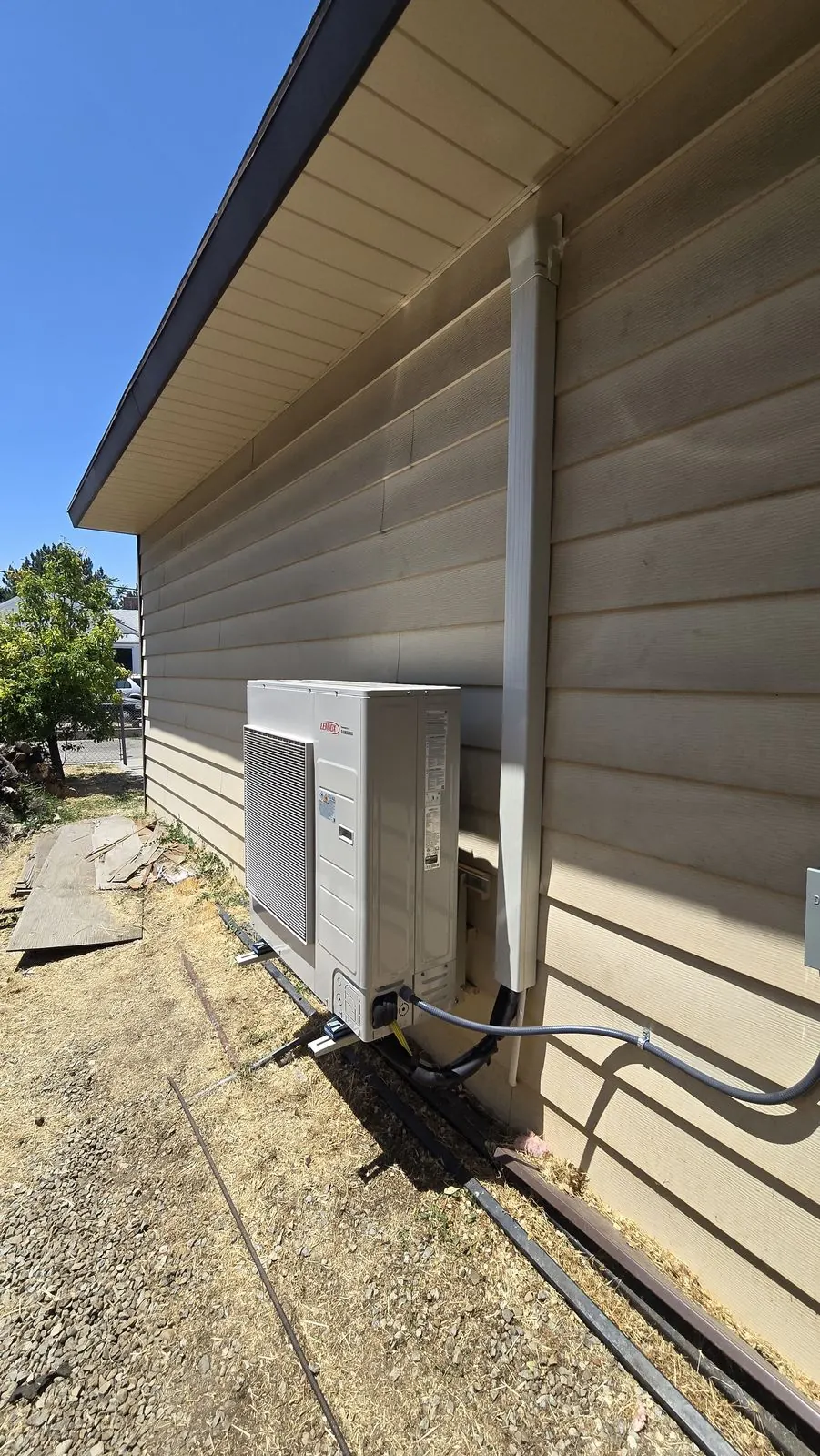
Lots of older homes along the Wasatch Front still have an evaporative (swamp) cooler on the roof or in a window. When it’s time to replace it, most homeowners end up choosing between four options. Here’s how they compare.
Swamp cooler (evaporative cooler)
A swamp cooler pulls outside air through wet pads. The water evaporates and cools the air before it’s blown into your home.
Pros
- Low purchase cost and low electricity use
- Works well in Utah’s dry air on most summer days
Cons
- Less effective on humid days, like during July and August monsoon storms
- Adds humidity and brings in outside air, including dust, pollen, and wildfire smoke
- Needs regular maintenance: pads, water lines, and draining and winterizing each fall
- Usually only cools part of the house well
Central air conditioning
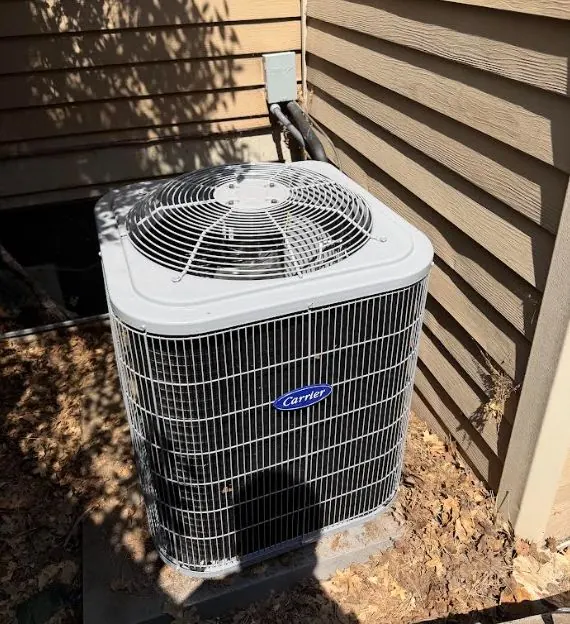
A central AC uses an outdoor condenser and a coil on top of your furnace. It shares your home’s existing ductwork.
Pros
- Cools the whole house evenly and removes humidity
- Recirculates and filters indoor air instead of pulling in smoke and dust
- A good fit if you already have a furnace and decent ductwork
Cons
- Costs more upfront than a swamp cooler
- Older homes may need duct or electrical upgrades first
Heat pump
A heat pump looks and installs like a central AC, but it can also run in reverse to heat your home. It works with your existing ductwork, and it’s often paired with your gas furnace.
Pros
- Cooling in summer, plus efficient heating in spring, fall, and much of the winter
- Paired with a gas furnace (a “dual-fuel” setup), the furnace takes over automatically on the coldest nights
- One outdoor unit does two jobs
Cons
- Higher upfront cost than a basic AC
- Needs a proper match to your furnace and ductwork
Ductless mini-split
A mini-split is a heat pump without ducts. A small outdoor unit connects to one or more indoor units on the wall.
Pros
- No ductwork needed, which makes it great for older homes, additions, basements, and garages
- Each room or zone has its own temperature control
- Very efficient for both heating and cooling
Cons
- Cooling a whole house can take several indoor units
- The indoor units are visible on the wall
Quick comparison
| Swamp cooler | Central AC | Heat pump | Mini-split | |
|---|---|---|---|---|
| Cools | Yes, best in dry air | Yes | Yes | Yes |
| Heats | No | No | Yes | Yes |
| Needs ductwork | No | Yes | Yes | No |
| Filters smoke and dust | No | Yes | Yes | Yes |
| Upfront cost | Lowest | Medium | Medium–high | Medium–high |
Which one fits your home?
- You have a furnace and ductwork in decent shape: central AC or a heat pump is usually the best fit. A heat pump is worth considering for the added heating efficiency.
- Older home with no ducts, or ducts sized only for heat: a ductless mini-split often avoids a big remodeling job.
- A garage, shop, addition, or one hot room: a single-zone mini-split is hard to beat.
- Tight budget and you mostly need a little relief: a swamp cooler still works, as long as you’re ready for the upkeep.
Get a recommendation for your home
Every house is different. We’ll look at your ductwork, electrical panel, and the rooms you want to cool, then give you honest options and a free estimate.